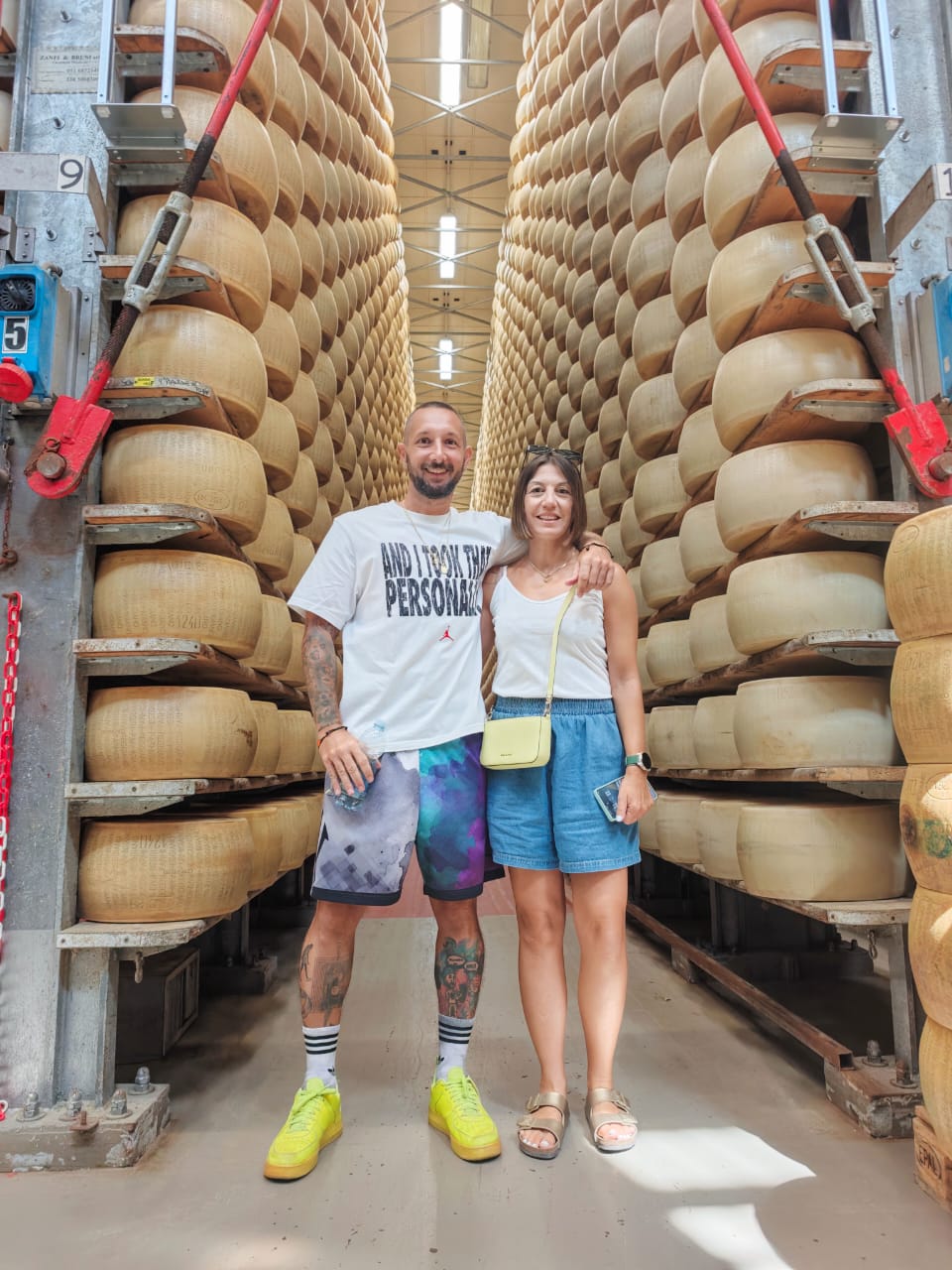
In 2012 I was sitting in a pre-master classroom in the Netherlands, feeling a little out of place. My academic background was finance and accounting, but I had already worked for 4 years in Marketing at Enartia (papaki.com). Everyone around me spoke communication theory like a first language, and I was there to learn the fundamentals from scratch.
One afternoon a professor introduced a piece of research from the University of Twente, by Alexander van Deursen and Jan van Dijk. One number from it stuck to me and never left.
They sat ordinary people in front of a computer and gave them real tasks. Operate the browser: 80% managed it. Move around a website without getting lost: 72%. Find a specific piece of information: 62%. Then the last skill, the one they called strategic. Not finding information, but using it to reach a goal: orienting toward what you actually want, taking the right actions, making the right decisions, and capturing the benefit at the end. Twenty-five percent.
What surprised me, the finance person who assumed this would be about money or access, was that it wasn’t. By then everyone had internet. It wasn’t about hours online either, people with years of experience were not much better. It wasn’t even about being young. The kids who could operate anything were no better at using information to change their situation than people twice their age.
What predicted who got value from the same machine was education, and under that, something quieter. What you came looking for. They called it the usage gap. Not a gap in getting online. A gap in what you do once you are in.
I hadn’t thought about that number in years. Then I spent this summer traveling around Greece and Italy, and it came straight back.
I realized I live in a bubble. I track the latest and greatest in AI from the top voices. I use it myself to build apps, websites, automated workflows. And somewhere between a ferry and a mountain village the obvious hit me… a very large part of the world is using the same models as a slightly better search engine. Same tool. Opposite lives. It was 2012 all over again, just faster.
Then I visited a parmigiano factory, a small caseificio that turns out about 104 wheels a day.
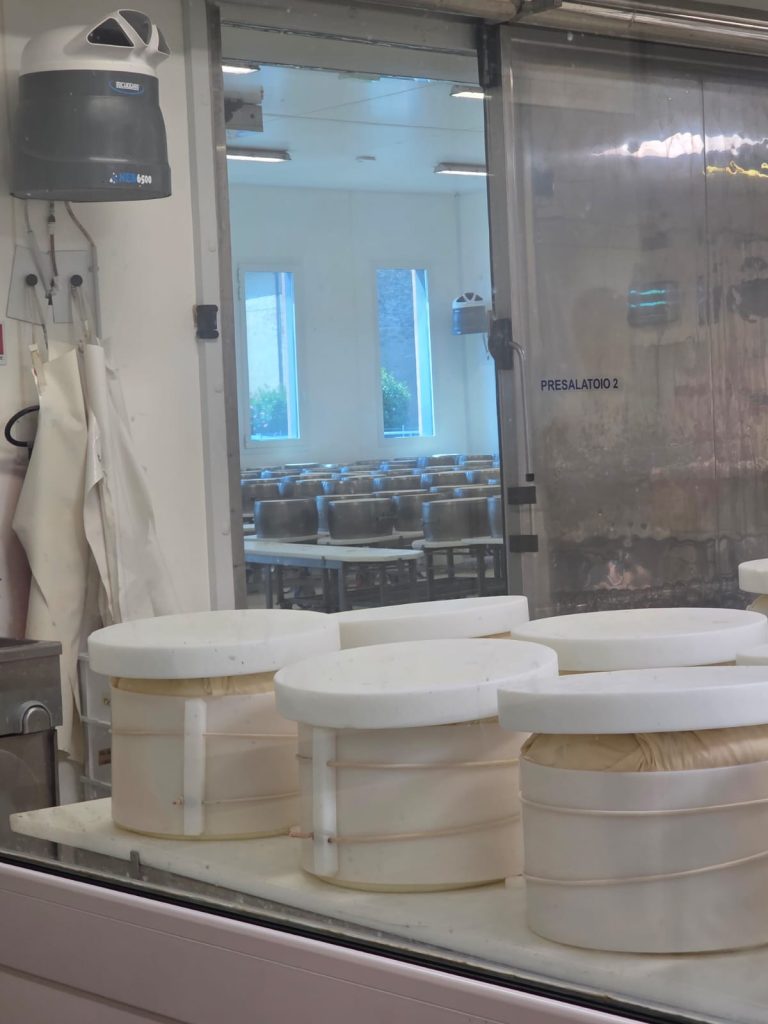
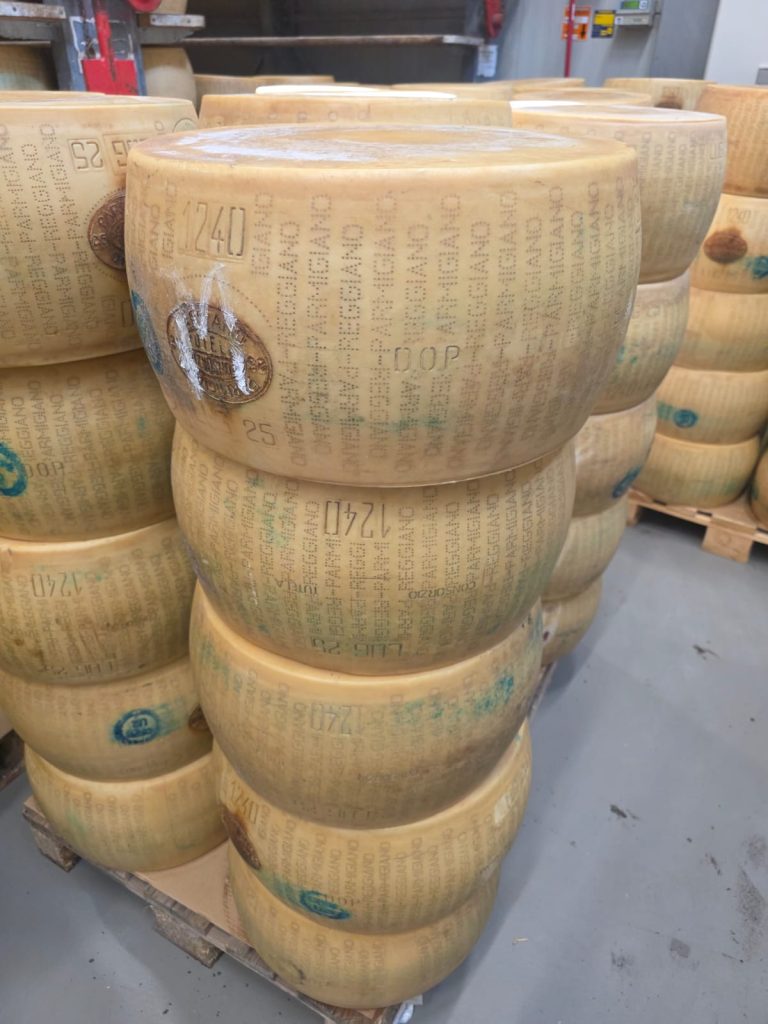
The rules alone tell you how serious it is. A thousand years of doing this. Around 4 million wheels a year across roughly 300 dairies. 550 litres of milk for a single wheel. Nothing younger than 12 months is allowed to carry the name. The evening milk is left to rest overnight so the cream rises, skimmed by hand, no chemicals, then married with the next morning’s milk. They do not even clean with soap, because soap would end up in the cheese.
And with all that scale and all those rules, the machine is not the one in charge. A robot does the brutal part: once a week, for a year, it lifts and cleans and turns every heavy wheel on the shelves, the repetitive work no human should break their back on.
The decisions belong to a person. The casaro, the master, needs 15 years before he is trusted to run the room. He heats the curd to around 55°C and knows it is ready not from a timer but from his hands. They do not weigh things the way you would expect, because it is still, stubbornly, artisanal. Later, someone taps each aged wheel, listens to the sound it makes, and decides what is good enough to be fire-branded with the name and what is not.
The robot lifts. The human evaluates. Take the human judgment out and you do not have parmigiano anymore. You have aged milk.
That is the whole thing I want to say about AI.
We are handing the heavy lifting to the machine, and that part is good, the same way the robots flipping cheese are good. But quality survives only if a person is still in the middle who knows what good looks like at a given moment. Someone who can tap the wheel and hear the difference.
That skill, knowing what good looks like, is the strategic skill from 2012 wearing new clothes. It was the rarest one back then, the 25%. AI does not give it to you. You form it by doing the work, tasting a lot of good and a lot of bad, until you can tell them apart faster than the machine can generate them!
So I don’t think AI is the great equalizer we keep calling it. Not on its own. It quietly rewards the people who already know what good looks like, and it lets everyone else outsource a judgment they never built.
I am not writing this to make anyone feel behind. The professor did not make me feel behind that afternoon, and I walked in knowing nothing. That is the point. This gap is not a diploma you either have or you don’t. It is a taste you can still build, one honest comparison at a time.
So tomorrow, before you ask AI to just do the thing for you, ask it for two versions or ways and make yourself decide which one is better, and why. That is you, tapping the wheel.
I studied this fourteen years ago as a theory. I did not expect a cheese factory to throw it back at me. And if you also want to read what Kenya’s Masai taught me about sales, go here.